When it comes to comfort food, few dishes can match the simplicity and warmth of mashed potatoes. This creamy, fluffy side dish has been a favorite for generations, gracing dinner tables for holidays, family gatherings, and casual meals alike. With just a few ingredients and easy steps, mashed potatoes can elevate any meal, making it feel special and satisfying.
In this article, we’ll take a deep dive into the world of mashed potatoes, from the basic recipe to helpful tips and variations. Whether you’re a seasoned chef or a beginner in the kitchen, you’ll find all the essential information you need to make mashed potatoes that are smooth, creamy, and full of flavor.
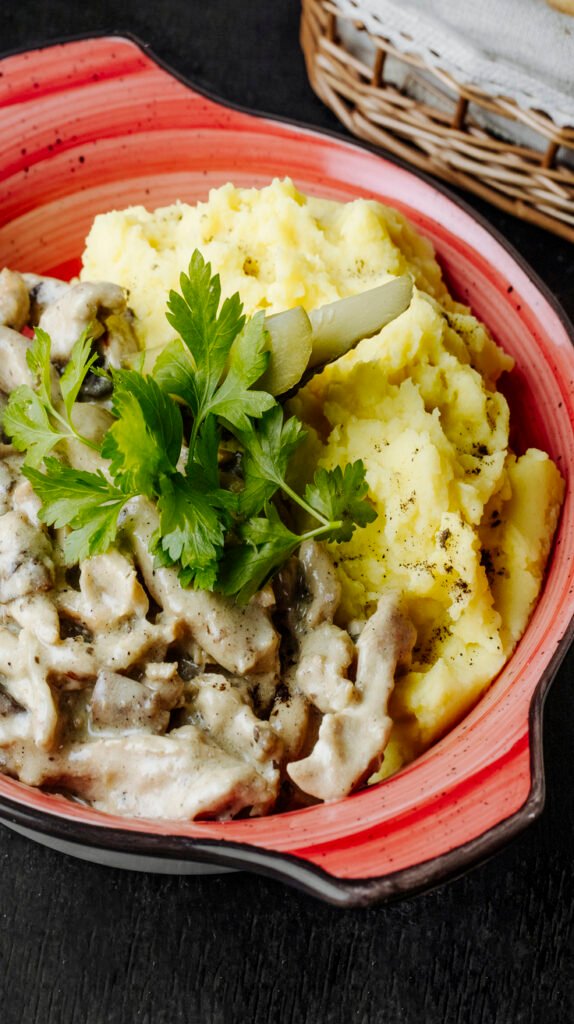
What Are Mashed Potatoes?
Mashed potatoes are simply boiled potatoes that are mashed into a smooth, creamy consistency with the help of butter, milk, and seasonings like salt and pepper. The beauty of mashed potatoes is their versatility—you can make them as simple or as fancy as you like, adjusting the ingredients to suit your taste.
Typically made from starchy potatoes, mashed potatoes can be made with just a handful of ingredients, but can also include additions like garlic, cheese, or fresh herbs for added flavor. This humble dish is comforting, satisfying, and the perfect side dish for almost any main course.
Why You’ll Love This Mashed Potatoes
Easy to Make: Mashed potatoes require very few ingredients and simple steps. Even novice cooks can master this dish with ease.
Customizable: You can make mashed potatoes to suit your taste. Add garlic for an extra kick, cheese for creaminess, or fresh herbs for a pop of color and flavor.
Comforting and Creamy: With the right technique, mashed potatoes are incredibly creamy, making them the perfect comfort food for any occasion.
Perfect for Any Meal: Whether paired with roasted meats, served alongside vegetables, or enjoyed on their own, mashed potatoes are a versatile dish that works with virtually any meal.
Ingredient Notes for Mashed Potatoes
Before you start cooking, it’s important to know the essential ingredients for making mashed potatoes. Here’s a quick rundown of what you’ll need for a basic recipe:
Potatoes: The star ingredient! Russet potatoes or Yukon Gold potatoes are the best choices for mashed potatoes, as they are starchy and yield a creamy texture when mashed.
Butter: Butter adds richness and flavor to the potatoes. It’s essential for creating that luxurious creamy texture.
Milk: Milk helps to achieve a smooth consistency. You can also use heavy cream for an even richer mash.
Salt and Pepper: The basic seasonings for mashed potatoes, salt, and pepper, enhance the flavor and balance the creaminess.
Optional Add-ins: Garlic, cheese, sour cream, chives, or other herbs can be added to elevate the flavor of your mashed potatoes.
Cuisine
Cuisine: American (though mashed potatoes are enjoyed worldwide, often as a side dish in many different cuisines).
Difficulty
Difficulty: Easy. Anyone can make mashed potatoes, whether you’re a beginner or an experienced cook.
Servings
Servings: This recipe serves 4-6 people, depending on portion size.
Prep Time
Prep Time: 10 minutes. Simple prep like washing, peeling (optional), and cutting the potatoes into chunks.
Cooking Time
Cooking Time: 20 minutes. Boiling the potatoes takes around 15-20 minutes, depending on size.
Calories
Calories: Approximately 200 calories per serving (for a standard serving of mashed potatoes).
Step-by-Step Instructions for Making Mashed Potatoes
Prepare the Potatoes
Start by washing the potatoes under cold water to remove any dirt. Once clean, peel them (optional) and cut them into evenly sized chunks. The size of the chunks will determine how quickly they cook, so try to make them uniform in size for even cooking.
Boil the Potatoes
Place the potato chunks into a large pot and cover them with cold water. Add a generous pinch of salt to the water. Bring the pot to a boil over high heat and cook the potatoes for about 15-20 minutes, or until they are tender when pierced with a fork. This step is important—overcooking the potatoes can make them too soft, while undercooking them will result in a chunky mash.
Drain the Potatoes
Once the potatoes are fully cooked, carefully drain them in a colander, allowing all excess water to drain out. Let them sit in the colander for a minute or two to ensure no water remains, which can result in a watery mash.
Mash the Potatoes
Return the potatoes to the pot or a large bowl. Using a potato masher or an electric hand mixer, mash the potatoes until they reach your desired consistency. If you prefer a smoother texture, you can use a hand mixer or potato ricer. For a chunkier version, use a masher.
Add Butter and Milk
Add the butter and milk to the mashed potatoes. Start with the butter—cut it into smaller pieces and stir it into the potatoes until it melts completely. Then, add the milk, a little at a time, until the potatoes reach a smooth, creamy texture. Be careful not to add too much milk, as it can make the potatoes too runny.
Season the Potatoes
Taste the mashed potatoes and season with salt and pepper to your liking. Feel free to add extra flavoring like garlic, chives, or cheese if desired. Mix well and give them one last taste to ensure the seasonings are just right.
Serve and Enjoy!
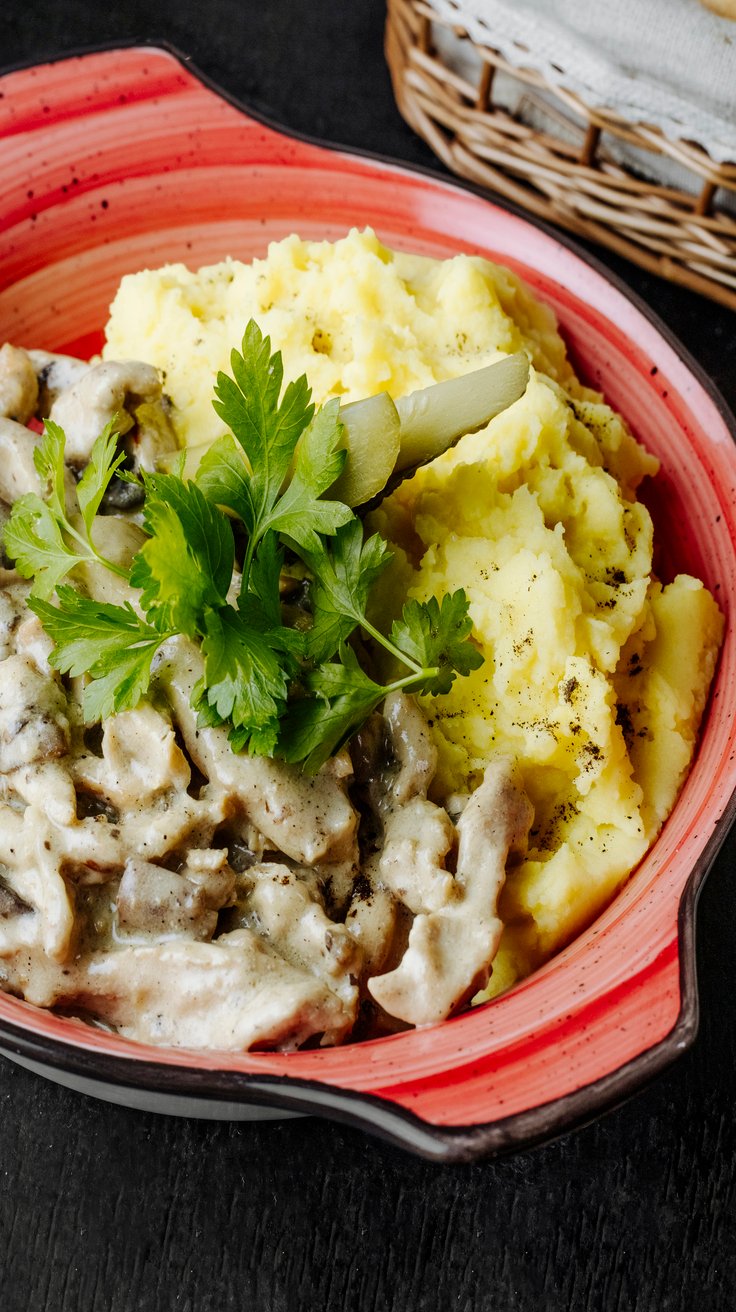
Serve your mashed potatoes immediately, while they are hot and creamy. They make a perfect side dish to roasted meats, gravy, or a variety of vegetables. You can even make a little well in the center and pour in some gravy for an added touch!
Mashed Potatoes Variations
There are many fun variations you can try to put your own spin on classic mashed potatoes:
Garlic Mashed Potatoes: Add roasted garlic or sautéed garlic to the potatoes before mashing for a rich, savory flavor. This adds depth and pairs wonderfully with meats like roast chicken or steak.
Cheesy Mashed Potatoes: Stir in shredded cheddar cheese, parmesan, or any cheese you like for extra creaminess and flavor. This variation is perfect for cheese lovers!
Herb Mashed Potatoes: Fresh herbs like chives, rosemary, or thyme add freshness and a burst of flavor. You can either stir them into the potatoes or sprinkle them on top before serving.
Loaded Mashed Potatoes: Take your mashed potatoes to the next level by adding bacon, sour cream, shredded cheese, and green onions. This makes for an indulgent and satisfying dish!
How to Serve Mashed Potatoes
Mashed potatoes can be served as a side dish to a wide variety of meals. They pair beautifully with meats like roast turkey, fried chicken, or beef steak. You can also serve them with vegetarian meals such as vegetable stew, roasted vegetables, or baked Portobello mushrooms.
Mashed potatoes can be topped with gravy, fresh herbs, or a dollop of sour cream for added flavor. You can even serve them as a comforting base for a casserole or stew, allowing the rich flavors to soak in.
Storage Options
Leftover mashed potatoes can be stored in an airtight container in the refrigerator for up to 3 days. To reheat, place them in a pot over low heat with a bit of milk or cream to restore their creamy texture. Stir occasionally to ensure even heating. Alternatively, you can microwave them for about 1-2 minutes, adding milk or butter as needed to prevent them from drying out.
Mashed potatoes can also be frozen for longer storage. Place them in a freezer-safe container and freeze for up to 3 months. When ready to eat, thaw the potatoes overnight in the refrigerator, and then reheat with a little added milk.
FAQs About Mashed Potatoes
Can I make mashed potatoes ahead of time?
Yes, you can make mashed potatoes ahead of time and store them in the fridge for up to 3 days. Simply reheat with a little milk for a smooth texture.
What’s the best type of potato for mashed potatoes?
Russet potatoes or Yukon Gold potatoes are ideal, as they are starchy and yield a creamy texture when mashed.
How do I make my mashed potatoes creamy?
Use a good amount of butter and milk, and mash the potatoes while they are still hot to achieve a creamy consistency.
Can I freeze mashed potatoes?
Yes, you can freeze mashed potatoes for up to 3 months. Thaw and reheat with milk or cream to restore the texture.
How do I avoid lumpy mashed potatoes?
Make sure the potatoes are cooked until tender and mashed thoroughly. A potato ricer can help achieve a smooth consistency.
Can I add cheese to mashed potatoes?
Yes, you can add cheese like cheddar or parmesan for a cheesy, creamy twist on classic mashed potatoes.
Mashed potatoes are a dish that’s simple yet delicious, making it a perfect addition to any meal. Whether you stick to the classic recipe or explore exciting variations, this comfort food is sure to win over your heart and your taste buds.
Essential Note
For the best mashed potatoes, always use starchy potatoes like Russets or Yukon Golds. These types of potatoes create the fluffiest, creamiest mash. Avoid waxy potatoes like Red Bliss, which can make the mash too dense and gluey. The key is to mash the potatoes while they are still hot to avoid a gummy texture. If you like your mashed potatoes extra creamy, try adding a bit more butter or a splash of cream to create that dreamy consistency.
More Favorite Recipes
If you love mashed potatoes, you’ll also enjoy these other delicious recipes: