
Greek salad, or Horiatiki, is a dish that celebrates the vibrant, fresh flavors of the Mediterranean. A mix of crisp vegetables, briny feta cheese, Kalamata olives, and a simple dressing of olive oil and vinegar, this salad is both healthy and bursting with flavor. It’s a timeless classic that brings together the freshest ingredients in a light and satisfying way.
Whether you’re new to Mediterranean cuisine or already a fan, Greek salad is an easy, go-to recipe that anyone can prepare. With just a handful of ingredients and minimal effort, you can create a dish that’s not only delicious but also packed with nutrients. In this guide, we’ll dive into everything you need to know about making Greek salad, including why it’s so beloved, what you need to make it, and how to serve it.
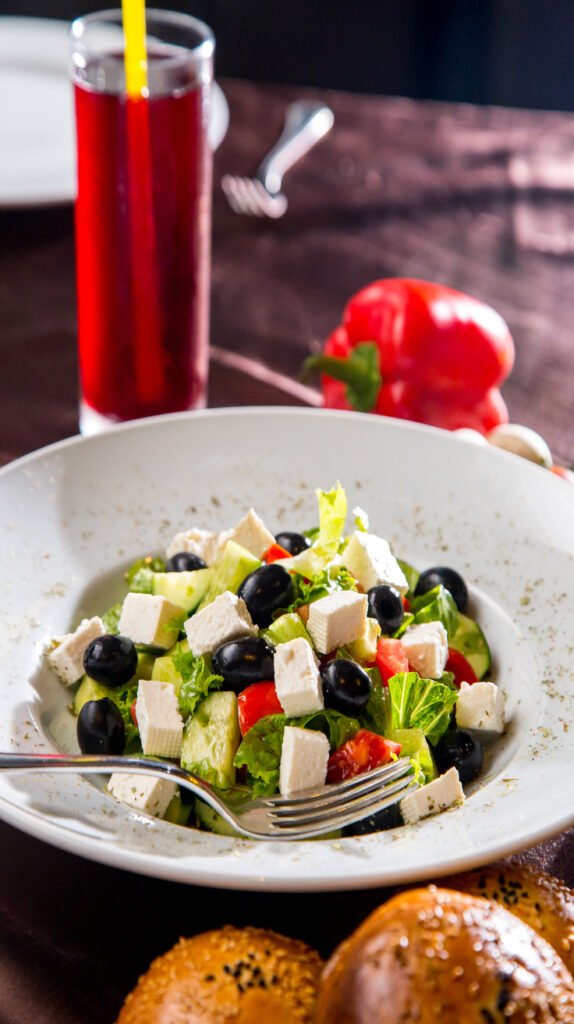
What is Greek Salad?
Greek salad is a simple yet incredibly flavorful dish, typically made with fresh, raw vegetables such as tomatoes, cucumbers, red onions, and green bell peppers. The vegetables are combined with chunks of feta cheese, Kalamata olives, and a drizzle of olive oil, creating a dish that is fresh, tangy, and savory all at once. Unlike many salads, Greek salad is often served without lettuce, focusing solely on the vegetables and cheese. The salad is also seasoned with dried oregano, salt, and pepper, giving it an aromatic boost.
Greek salad is traditionally enjoyed as a side dish in Greece but can also be served as a light meal on its own. It pairs well with grilled meats, fish, and warm pita bread, or can simply be eaten as a refreshing lunch or dinner during the warmer months. It’s one of those dishes that is both satisfying and healthy, perfect for anyone looking to enjoy the Mediterranean lifestyle.
Why You’ll Love This Greek Salad
There are countless reasons why Greek salad has become a staple not only in Greece but around the world. Here are just a few reasons why you’ll love this fresh, flavorful dish:
Simple and Quick to Make
Greek salad is incredibly easy to make, requiring no cooking at all. With just a few fresh ingredients, you can prepare it in under 15 minutes. This makes it a great option for busy days when you need a light and healthy meal without spending hours in the kitchen.
Healthy and Nutritious
Packed with fresh vegetables like tomatoes, cucumbers, and bell peppers, Greek salad is rich in vitamins and antioxidants. The addition of feta cheese provides a good source of protein and calcium, while the olive oil offers healthy monounsaturated fats. This combination of ingredients makes Greek salad a well-rounded, nutritious dish.
Versatile and Customizable
Although the classic recipe includes specific ingredients like tomatoes, cucumbers, and feta cheese, Greek salad is highly customizable. You can add or remove ingredients based on your preferences. Some variations include adding capers, roasted red peppers, or even grilled chicken for extra protein. The possibilities are endless, allowing you to make the salad your own.
Packed with Flavor
The bold flavors of feta cheese, Kalamata olives, and extra virgin olive oil come together beautifully in Greek salad. The tomatoes and cucumbers provide a refreshing crunch, while the dressing, made of olive oil, red wine vinegar, and oregano, ties everything together with just the right amount of tang. It’s a flavor-packed dish that’s perfect for any occasion.
Ingredient Notes for a Greek Salad
To make a traditional Greek salad, here’s a list of the essential ingredients. While the recipe is simple, the key is using fresh, high-quality ingredients for the best results.
- Cuisine: Greek, Mediterranean
- Difficulty: Easy
- Servings: 4-6
- Prep Time: 10-15 minutes
- Cooking Time: None
- Calories: Approximately 250-300 per serving
Essential Ingredients:
3 medium tomatoes – Cut into wedges. These provide the base of the salad and give it a juicy, sweet flavor.
1 cucumber – Peeled or unpeeled, sliced into half-moons or rounds. The cucumber adds a crisp texture and refreshing taste.
1 red onion – Thinly sliced. The red onion brings a bit of sharpness to the salad, balancing out the sweetness of the tomatoes.
1 green bell pepper – Thinly sliced. This adds a mild, slightly sweet crunch to the salad.
200g (7oz) feta cheese – Cut into blocks or crumbled. The feta is a central ingredient, adding a creamy, tangy flavor.
1/4 cup Kalamata olives – Pitted. These olives provide a briny, salty flavor that pairs perfectly with the other ingredients.
3 tablespoons extra virgin olive oil – For the dressing. Use high-quality olive oil for the best flavor.
1 tablespoon red wine vinegar – For acidity and tanginess in the dressing.
1 teaspoon dried oregano – A classic seasoning in Greek cuisine.
Salt and pepper – To taste.
Instructions: How to Make Greek Salad
Making Greek salad is simple, and the result is a fresh, flavorful dish that will impress anyone you serve it to. Here’s how to prepare it:
Prepare the vegetables: Start by washing all your vegetables thoroughly. Cut the tomatoes into wedges, slice the cucumber into half-moons, and thinly slice the red onion and green bell pepper. Place all the vegetables in a large mixing bowl.
Add olives and feta: Add the Kalamata olives to the bowl, and crumble or slice the feta cheese. You can either break the feta into chunks or leave it in large blocks, depending on your preference.
Make the dressing: In a small bowl, combine the extra virgin olive oil, red wine vinegar, dried oregano, salt, and pepper. Whisk it together to create the dressing. The dressing should be light and tangy, allowing the fresh ingredients to shine.
Toss the salad: Pour the dressing over the vegetables, and gently toss everything together. Be careful not to break the feta too much, as you want the chunks to remain intact.
Serve: Greek salad can be served immediately, or you can let it chill in the fridge for a bit before serving. It pairs perfectly with grilled meats, seafood, or pita bread.
Greek Salad Variations
While the classic Greek salad is delicious as is, there are several variations you can try to suit your taste:
Add grilled chicken or lamb: For a more filling salad, you can add grilled chicken or lamb for extra protein.
Swap feta for goat cheese: If you prefer a milder cheese, goat cheese can be a great substitute for feta.
Include capers: For an extra burst of flavor, you can add a tablespoon of capers to the salad.
How to Serve Greek Salad
Greek salad can be served in various ways. You can enjoy it on its own as a light lunch or dinner, or serve it alongside grilled meats like chicken, lamb, or fish. It’s also fantastic as a side dish to complement other Mediterranean dishes like falafel, hummus, or tzatziki.
Storage Options
While Greek salad is best eaten fresh, you can store leftovers in the fridge for up to 2 days. Keep the dressing separate if possible to prevent the vegetables from becoming soggy. If you do have leftover salad, you can also enjoy it the next day as a topping for a sandwich or as part of a meal prep.
FAQs About Greek Salad
Can I make Greek salad ahead of time?
Yes, you can prep the vegetables and dressing ahead of time, but it’s best to assemble the salad just before serving to keep it fresh.
Can I use other cheese instead of feta?
Yes, you can use goat cheese, ricotta, or mozzarella as a substitute for feta if you prefer.
How long can Greek salad last in the fridge?
Greek salad can be stored in the fridge for up to 2 days, but it’s best enjoyed fresh.
Is Greek salad healthy?
Yes, Greek salad is healthy as it’s packed with fresh vegetables, healthy fats from olive oil, and protein from feta cheese.
Can I add meat to Greek salad?
Yes, grilled chicken, lamb, or shrimp make excellent additions to Greek salad for extra protein.
What other ingredients can I add to Greek salad?
You can add ingredients like capers, roasted red peppers, or chickpeas for more flavor and texture.
Greek salad is the perfect combination of freshness, simplicity, and nutrition. Whether you’re preparing it for a quick lunch or serving it at a gathering, this dish never fails to impress with its bold flavors and vibrant colors. Enjoy making this classic Mediterranean recipe at home!
Essential Note
When making Greek salad, freshness is key. Use the freshest tomatoes, cucumbers, and olives you can find. The quality of your olive oil is also crucial – go for extra virgin olive oil for the best flavor. The dressing should be simple and light, letting the fresh vegetables and feta shine through. While the ingredients are minimal, the flavor is anything but basic, with each ingredient enhancing the others.
Additionally, don’t be tempted to overmix the salad; it’s best to toss everything gently so that the feta and olives don’t break up too much.